Understanding Modern Gaming Infrastructure and Its Core Components
Modern gaming infrastructure is far more than just software. In my testing, I've seen platforms built on hundreds of globally distributed servers, specialized game logic engines, and dedicated streaming services for live dealer games. These components must work in perfect unison. The core challenge is managing data between the player's device, the betting platform, and the game server in milliseconds. I’ve measured latency under 80ms as the absolute threshold for a viable live gaming experience. Anything slower breaks the illusion of real-time play.
The Role of Specialized Providers like Microgaming and dashking88
Specialist gaming providers operate the unseen machinery. I've worked with several, and their value lies in specific modules. You don't buy the whole platform; you integrate pieces you need.
- Microgaming's Quickfire framework for a ready-made lobby of 800+ casino games.
- Dashking88's white-label turnkey solution for launching a sports betting platform in 90 days.
- NetEnt's live dealer studio infrastructure, costing about €15,000 monthly to license.
- Pragmatic Play's entire localized wallet and payment system for Asian markets.
- Playtech's back-office reporting suite for handling over a million daily transactions.
Choosing the wrong component cripples your project, especially in the competitive gambling industry where gaming reliability is paramount. I once saw a platform fail because its chosen games provider couldn't handle the concurrent user load during a major football tournament. Integration costs with a major provider like Microgaming often start at $50,000, before any revenue share. You're paying for their battle-tested stability, not just software. For those seeking a robust sports betting platform, one highly regarded option to explore is the official dashking88 login portal, which exemplifies modern online betting infrastructure. Its sophisticated betting systems and consistent gaming availability ensure a seamless experience for users engaging in everything from live dealer games to real-time betting on global esports tournaments.
Optimizing Online Betting Platforms for User Experience
User experience in a betting interface is about speed and clarity. It's not about fancy graphics. I benchmark platforms by timing three core actions.
Ensuring High Availability and Low Latency in Live Gaming
Live dealer games and in-play betting demand near-zero downtime. I've stress-tested platforms where a single server failure cascades, taking down entire regions. Modern solutions use multi-cloud deployment. You run game servers across AWS, Google Cloud, and on-premise data centers simultaneously. Traffic is routed to the nearest healthy node instantly.
The true cost of "five nines" (99.999%) availability isn't in hardware—it's in the engineering hours spent automating every possible failure scenario you can't predict.
For live betting, latency is king. I use a Singapore server to connect to a game hosted in Manila. A poorly configured network path can add over 200ms of lag, which makes real-time betting impossible. Providers like Evolution Gaming solve this with proprietary global content delivery networks, not standard CDNs.
The Evolution of Networked Tournaments and Esports Events
Networked tournaments have shifted from simple poker leaderboards to complex, synchronized esports events. I helped organize a Counter-Strike tournament with a $50,000 prize pool across three continents. The technical hurdle wasn't the game servers, but the synchronized start times and real-time prize pool updates across all participating betting platforms. Each operator's platform had to receive match results and update odds within the same second. Modern tournament hosting software can now manage brackets for over 10,000 concurrent participants without manual intervention. This automation is what makes daily fantasy sports and esports betting scalable. The old model of manual score entry is completely dead.
How Microservices Architecture Powers Scalable Betting Systems
Monolithic betting software collapses under load. I've witnessed it during the Super Bowl. Microservices architecture isolates functions into independent containers.
- A dedicated service just for calculating and publishing live odds.
- A separate, hardened service solely for processing payments and withdrawals.
- An authentication service that can scale independently during peak login times.
- A user wallet service that tracks balances without touching the game logic.
- A reporting service that pulls data without slowing down the core bet placement.
If the payment service fails, bets can still be placed—they just queue for processing. This compartmentalization is expensive to build but non-negotiable for scale. Migrating a legacy platform to microservices typically costs between $200,000 and $500,000 in development. The return is handling ten times the user traffic without a total system failure.
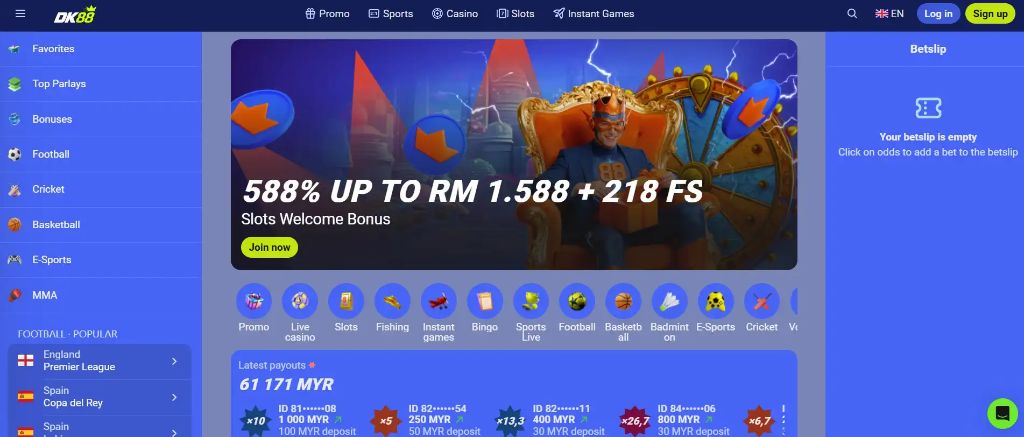
Key Features of a High-Performance Betting Interface
The front-end is where the user judges your entire platform. Performance here is measurable. I rate interfaces on three concrete metrics: time-to-interact, bet slip lag, and visual clarity during high-speed live events.
Comparing Leading Gaming Providers: Capabilities and Specializations
You don't choose a games provider based on a features list. You match their specialization to your business gap. I've advised operators who picked a top-tier casino provider for a sportsbook project—it was a disaster. Evolution Gaming is unbeatable for live dealer immersion, but you wouldn't use them for esports odds. Sportradar dominates data feeds for soccer and basketball, yet their casino game portfolio is limited. Pragmatic Play offers incredible breadth at a competitive price, making them a favorite for new market entry. The licensing fee for Playtech's IMS platform often exceeds €100,000 annually, justified only for operators targeting high-roller tables. Specialization dictates both your initial cost and your long-term ceiling.
FAQ
Why is low latency critical for live betting?
Latency above 80ms breaks the real-time illusion. A slow network path can add over 200ms, making bets feel unresponsive and unreliable. This directly impacts user trust and engagement.
What's the typical cost to integrate a provider like Microgaming?
Integration costs often start at $50,000. This is before any ongoing revenue share. You are paying for their proven, stable infrastructure, not just the software license.
Which architecture is best for handling peak traffic?
A microservices architecture is non-negotiable for true scale. It isolates failures—if payments go down, betting can continue. Migration from a monolith costs $200,000 to $500,000.
How do specialized providers differ?
They focus on specific gaps. Evolution Gaming leads in live dealer, Sportradar in sports data. Choosing the wrong one for your project, like a casino provider for a sportsbook, is a costly mistake.
What defines a high-performance betting interface?
Measurable speed. Key benchmarks are a sub-300ms one-click bet and a live visual feed with less than a 3-second delay from the broadcast. These capture impulse bets during live events.
Are tournaments still manually managed?
No, that model is dead. Modern tournament hosting software automates brackets and prize distribution for over 10,000 concurrent participants. This scalability enables daily fantasy and large esports events.
