
Stock Up on Bulk Ammo Now Before Prices Climb Again
Running out of ammunition right in the middle of a practice session is frustrating, and that’s exactly the problem bulk ammo solves by letting you buy hundreds or even thousands of rounds at once. This approach works simply by purchasing larger quantities of factory-new or remanufactured cartridges in sealed boxes or cans, which you then store and dip into as needed for range days, competitions, or personal defense training. The main benefit is that you avoid frequent trips to the store, keep a steady supply on hand, and often pay less 6.5 PRC Ammo for Sale per round due to the volume discount. For best results, rotate your stock by using older boxes first and store the bulk ammo in a cool, dry place to preserve its reliability.
Why Buying Ammunition in Large Quantities Saves You More Than Money
Buying bulk ammo saves more than money by securing your shooting consistency over time. When you purchase thousands of rounds at once, you lock in a single lot number, meaning every cartridge shares identical powder charges, primers, and bullet seating. This uniformity translates to predictable point-of-impact and reliable cycling across different Ammunition for Sale firearms, which is critical for zeroing optics or competing in matches. Large quantities also buffer you against sporadic shortages at local stores, ensuring you never have to switch brands mid-practice and re-zero your rifle. Furthermore, having ample stock encourages more frequent range sessions, accelerating skill development without the anxiety of rationing rounds. The primary advantage remains why buying ammunition in large quantities saves you more than money: it preserves your gear’s calibration and your muscle memory, delivering performance stability that per-box purchases simply cannot match.
The Real Price Per Round: How Bulk Purchasing Cuts Costs
The 7mm WSM Ammo for Sale real price per round drops noticeably when you move from boxed quantities to case lots, because the per-unit markup shrinks at wholesale tiers. A 20-round box might cost 75 cents per round, while a 500-round case often lands near 50 cents per round—a direct saving of 25 cents every trigger pull. That gap widens further with premium defensive loads, where bulk pricing can cut the price per round by 30% or more. Bulk purchasing cuts the real price per round by eliminating repeated packaging, shipping, and retail overhead charges that inflate small orders. Track your cost per round using total delivered price divided by round count, not shelf price.
- Compare cost per round across 50, 200, and Shotgun Ammo for Sale 500-round quantities before buying.
- Factor in shipping per round—bulk orders dilute fixed delivery fees.
- Calculate savings per 1,000 rounds to see the true annual impact.
Locking in Prices So You Never Overpay at the Gun Store Again
Buying bulk ammo is your direct hedge against future price hikes, effectively locking in prices so you never overpay at the gun store again. When you commit to a large order today, you freeze today’s per-round cost, shielding your wallet from the inevitable creep of inflation and sporadic spikes. That means every future trip to the range uses ammunition you already own at the old, lower rate. Instead of grimacing at a fresh sticker price on a box of defensive rounds, you simply pull from your stockpile. This proactive move transforms a one-time purchase into a permanent financial buffer, ensuring the only number you remember is the savings you secured.
What to Check Before You Stock Up on a Case of Rounds
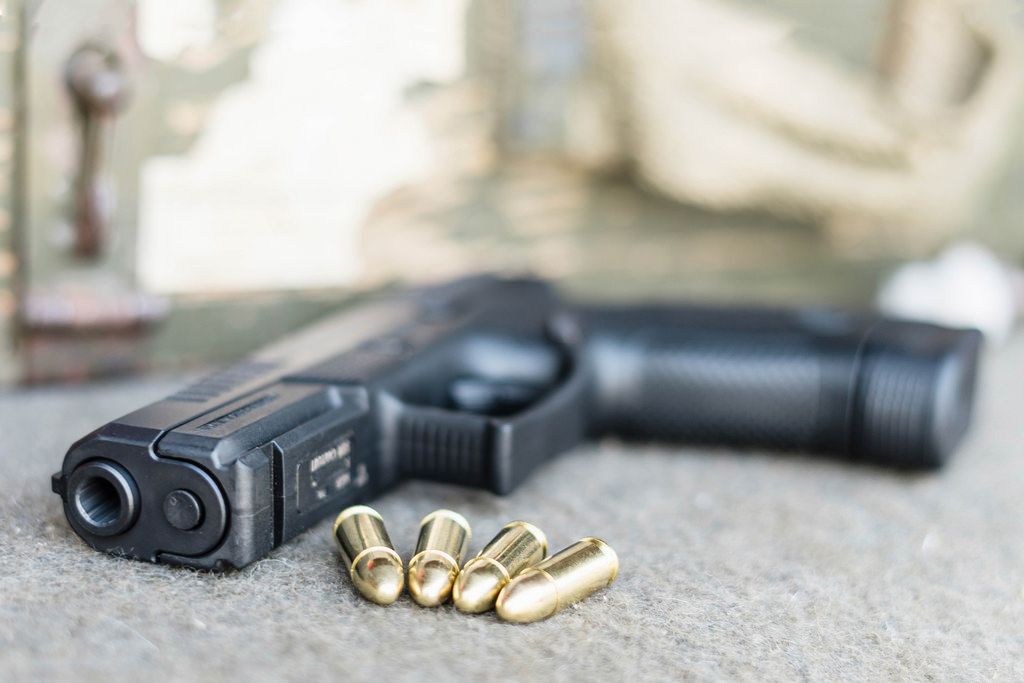
Before committing to a case of bulk ammo, verify the lot number consistency; mixed lots can cause point-of-impact shifts between boxes, ruining your 7mm-08 Ammo for Sale zero. Inspect the cartridge headstamp and primer sealant to confirm it matches your firearm’s chamber and isn’t milsurp corrosive. Check the bullet weight and velocity against your rifle’s twist rate, as bulk ammo often uses heavy-for-caliber projectiles that may destabilize. Feel the case mouths for burrs or dents, which cause feeding failures. Confirm the powder burn rate suits your action type—slow powders can spike pressure in gas guns. Finally, test a single box from the case at your range before buying the full lot, verifying accuracy and function. If the batch groups poorly or shows pressure signs, walk away.
Understanding Grain Weight and Bullet Type for Your Specific Firearm
Before committing to a case, lock in the exact grain weight and bullet profile your barrel is tuned for. Heavier projectiles like 147gr 9mm cycle suppressed hosts reliably, while lighter 115gr loads may underpower a compensator’s dwell time. Check your manual’s twist rate—a 1:7 barrel favors 62–77gr .223, whereas 1:12 stabilizes 55gr best. Test three boxed variants first: shot groups, bolt-lock-back consistency, and muzzle rise. For hunting, bonded-core bullets retain weight on bone; for steel, flat-nose or frangible tips prevent ricochet. Subsonic loads require a 200+ grain weight to stay quiet. If a case features a mix of bullet types, reject it—your zero shifts with every projectile change, wasting range time.
Brass vs. Steel Casing: Which One Performs Better for Extended Storage
When evaluating brass vs. steel casing for extended storage, brass is the superior choice due to its non-corrosive nature and resilient alloy structure. Steel casings, typically coated with lacquer or polymer, can develop micro-fractures in that protective layer over years, exposing the underlying metal to moisture and leading to rust that compromises case integrity and extraction. Brass resists oxidation far better, maintaining its dimensional tolerances so rounds chamber smoothly even after a decade in a cool, dry environment. For bulk ammunition intended to sit untouched, corrosion is the primary degradation vector, and brass simply outlasts steel under identical conditions. While steel is cheaper, that saving is Rifle Ammo for Sale negated if you must discard corroded rounds prematurely.
- Brass does not require protective coatings, eliminating a common steel failure point.
- Steel’s magnetic properties can attract fine metallic dust, which accelerates pitting in humid storage.
- Soft brass necks resist work-hardening stress better, reducing case neck cracks after long-term pressure changes.
- Storage longevity directly correlates with casing metal reactivity, placing brass firmly ahead.
How to Verify Lot Numbers for Consistent Accuracy Across Your Entire Order
To ensure consistent accuracy across your entire order, verify that each box or case shares the same lot number printed on the label or headstamp. Start by cross-referencing the lot code on the outer case with the codes on individual inner boxes, as distributors sometimes mix partial lots. If the numbers differ, group rounds by lot and test each group separately at your intended distance, recording zero shifts. For large orders, request a single lot from your supplier before purchase; if mixed, ask for the lot breakdown in writing. Finally, log the lot number in your shooting records so you can replicate or avoid that batch later.
Smart Storage Tactics to Keep Your Reserve Ammo Reliable for Years
For bulk ammo, long-term reliability hinges on aggressive moisture control and stable temperatures. Store your reserve in sealed, military-grade ammo cans with desiccant packs, and rotate stock annually to prevent primer breakdown. Vacuum-sealing bulk ammo in Mylar bags with oxygen absorbers dramatically extends shelf life, especially for corrosive primers. Keep cans off concrete floors—use wooden pallets or shelving to avoid condensation wicking. Q: Should you add new desiccant to bulk ammo cans every year? A: Yes, recharge or replace silica gel annually, even if cans appear sealed, because humidity fluctuations inside garages or basements degrade powder over time. Inspect for green corrosion on cases biannually, and always label cans with purchase date and lot number to ensure you fire the oldest first. This method keeps your bulk reserve combat-ready for decades, not just seasons.
Controlling Humidity and Temperature: The Two Silent Killers of Gunpowder
Your bulk ammo’s worst enemies aren’t thieves—they’re invisible. Controlling humidity and temperature is the real battle against the two silent killers of gunpowder. Heat accelerates chemical breakdown, while moisture causes corrosion and erratic pressure spikes. Keep your stash in a cool, stable environment (ideally below 70°F) and use desiccant packs inside airtight ammo cans. A cheap hygrometer tells you if you’re winning. Check seals seasonally—a single humid summer can ruin primers. Never store rounds in a hot garage or damp basement; think wine cellar, not furnace room. Stable, dry conditions Rimfire Ammo for Sale let your ammo outlive you.
Using Ammo Cans and Desiccant Packs to Extend Shelf Life Indefinitely
For bulk ammo, desiccant packs inside sealed ammo cans create the core defense against moisture-induced corrosion. Begin by wiping each round to remove oils, then place a reusable silica gel canister at both the bottom and lid of a metal .50-caliber can. The airtight rubber gasket blocks humid air, while the desiccant actively lowers the internal dew point, preventing primer degradation and case tarnishing. Recharge the packs every six months by oven-drying them at 250°F for two hours. Avoid over-packing; leave 10% headspace so the desiccants can circulate air. This setup neutralizes condensation from temperature swings, effectively halting chemical breakdown for decades without room air exposure.
Rotating Your Stock: The First-In, First-Out Method for Freshness
Rotating your stock using the first-in, first-out (FIFO) method ensures that older ammunition is used before newer purchases, preventing the degradation of primers and propellants over time. When you buy bulk ammo, physically place new boxes behind existing ones on your shelf, and label acquisition dates on each case. This practice directly counters the risk of stale rounds accumulating in your reserve, which can lead to misfires or inconsistent ballistic performance. For a practical routine, pull from the front of your storage area during range trips, then restock from the rear. Inventory rotation should happen every six months, checking for corrosion or seal integrity in the oldest lot.
Q: How often should I rotate bulk ammo using FIFO?
A: At minimum, rotate your stock every six months or after any major purchase, ensuring the oldest rounds are used first.
How Many Rounds Should You Actually Buy for Your Typical Shooting Routine?
For a typical monthly range session, count your actual drills: fifty rounds for warm-up, a hundred for trigger control, and another fifty for malfunction practice—that’s two hundred. Buying bulk ammo in 500-round cases covers this plus a spare box for the inevitable “one more magazine” moment, so you never ration shots mid-routine. If you train twice a week, bump that to a thousand, but your routine’s rhythm matters more than a round number, since a slow, deliberate session burns far less than a rapid-fire stress test. Match your bulk purchase to your last four range logs, not a guessed average. And always add ten percent for the friend who asks to shoot—otherwise, you’ll cut your last drill short and drive back without a satisfying finish.
Calculating Your Monthly Range Practice and Competition Needs
To calculate your monthly range practice and competition needs, start by logging every live-fire session over a typical four-week period, separating practice drills from match day. Multiply your average rounds per practice (e.g., 150 for pistol, 80 for rifle) by your weekly sessions, then add a fixed competition reserve—usually 300–500 rounds per monthly match, plus 10% for sight-ins and malfunction drills. Bulk ammo purchasing becomes efficient only when your monthly baseline exceeds 1,000 rounds, allowing you to buy by the case without overstocking. *If you compete irregularly, weight your calculation toward a three-month rolling average instead of a single peak month.* Finally, include a 15% safety margin for unplanned practice extensions or make-up sessions, ensuring you never dip below your training threshold.
Your monthly bulk ammo order should equal practice volume plus competition quota plus a 15% buffer—calculated from a logged baseline, not guesswork.
Matching Order Size to Your Training Frequency Without Waste
Matching your bulk ammo order to your actual training cadence prevents both dry-spell panic and shelf-cluttering surplus. Calculate your weekly round count honestly—if you shoot 200 rounds every Sunday, a 1,000-round case covers five weeks, not “a year’s 6.5 Creedmoor Ammo for Sale supply.” For monthly shooters, splitting a case into two 500-round batches keeps your ammo fresh while still earning the per-round discount. The sweet spot is ordering **enough for your next eight to ten sessions**, plus a small buffer for make-up drills or double-range days. This avoids tying up cash in calibers you’re bored with by month three. Match your order size to your live-fire frequency, not your enthusiasm, so every box gets shot before your preferences shift.
Q: How do I avoid wasting bulk ammo when my training frequency fluctuates?
A: Track your average rounds per range trip for the last two months. If that number dips seasonally, order the smaller bulk tier (e.g., 500 instead of 1,000) and reorder sooner. Only buy the largest case if your weekly round count has been stable for at least six weeks—otherwise, you’re paying to store ammo you won’t realistically fire.
Adding a Safety Margin for Unexpected Range Days or Varmint Control
When calculating your bulk ammo order, always layer in a safety margin for unexpected range days, because the difference between a productive session and a wasted trip is often just a few extra boxes. If a friend invites you to shoot steel at the last minute, or a sudden prairie dog outbreak hits your property, you’ll be glad you have 15–20% more ammunition than your routine baseline. For varmint control, unpredictable follow-up shots and windage corrections can double your expected round count. Buying an extra 200–300 rounds per bulk case costs little upfront but saves you from running dry mid-engagement. This buffer also let you practice those critical long-range shots without rationing.
Common Mistakes Shooters Make When Purchasing Large-Quantity Orders
Buying bulk ammo often starts with a single, costly error: fixating on the lowest price per round while ignoring the actual load data. That bargain crate might use a powder burn rate your rifle hates, causing frustrating pressure signs or terrible accuracy. Many shooters also miscalculate their true consumption, ordering 5,000 rounds of a caliber they only shoot twice a year, tying up cash that could fund range time or optics. Another frequent mistake is neglecting storage conditions—a pallet of ammo dumped in a humid garage will corrode, and you’ll be left with duds. *The smartest approach Handgun Ammo for Sale is to test a small box from that lot before committing to a case, since manufacturing batches can vary subtly.* Finally, don’t forget transportation and shelf space; a heavy, massive order can strain your vehicle and require immediate, climate-controlled organization. Always verify the ammunition’s grain weight matches your firearm’s twist rate for reliable performance.
Overlooking Shipping Costs and Hazardous Materials Fees That Eat Into Savings

When calculating specialty sports savings on bulk ammo, overlooking shipping costs and hazardous materials fees can silently erase your per-round advantage. Ammo is heavy, and freight charges scale with weight and distance, often adding $20–$50 per case. Additionally, the hazmat fee for bulk ammo—typically $15–$30 per shipment—applies because primers classify as dangerous goods. Many shooters compare only the base price per round, ignoring these surcharges until checkout. To protect savings, always add the full delivered cost before committing. Even a “deal” at $0.40/round becomes $0.48/round once fees are included, making smaller orders from a local store more economical.
Q: How do you avoid these fees hurting your bulk ammo savings?
A: Always request a final quote with shipping and hazmat included, then calculate cost per round after fees—this reveals whether the bulk order actually beats buying in smaller quantities locally.
Ignoring the Break-Even Point: When Bulk Becomes Good, Better, or Best
Ignoring the break-even point means failing to calculate where the per-round savings from bulk ammo actually outweigh the upfront capital outlay. Before a certain quantity, your cost per cartridge drops steeply, but beyond that threshold, the curve flattens, and buying more merely locks up cash. For a shooter, the “best” bulk order is the one that hits the minimum quantity for maximum marginal savings, not the largest box on the shelf. If you buy 2,000 rounds but only shoot 500 per year, the break-even point is never reached in terms of usage, making the deal worse than buying 500 at a slightly higher unit cost. The logical flow: calculate the price per round at 500, 1,000, and 2,000 increments, then compare that to your actual consumption rate. When bulk becomes “good,” it is at the first quantity where per-round savings pays back your storage and interest costs. It becomes “better” when your annual volume meets or exceeds that quantity. It becomes “best” when you can sell or trade the excess without loss, or when the per-round price drop is steep enough to justify borrowing cash to stockpile.

The break-even point is the pivot: bulk is only good, better, or best when the savings per round exceeds the cost of holding and using what you buy.
How to Split a Large Order with a Friend to Test Different Loads Before Committing
When buying bulk ammo, splitting a large order with a friend is the smartest way to test different loads before committing to a full case. Coordinate to buy two or three 500-round boxes of distinct grain weights or bullet types, then divide each box evenly on the range. This keeps per-person cost low while letting you compare recoil, accuracy, and feeding reliability in the same firearm session. Log your results side-by-side, noting which load groups tightest at 25 yards. After the split, you each know exactly which bulk purchase justifies the full investment, avoiding a pallet of ammunition that underperforms in your specific barrel.
